























President Donald Trump signed an executive order on April 3 titled “Urgent National Action to Save College Sports” that aims to reshape rules around eligibility and money in college athletics.
A month before signing the order, Trump said the action “will be very all encompassing” and warned it would be controversial.
“We will get sued. That’s the only thing I know for sure,” Trump said.
The push began when Trump met at the White House on March 6 with Charlie Baker, the president of the NCAA and former governor of Massachusetts, and Nick Saban, the former University of Alabama head football coach, along with conference commissioners and other college sports leaders.
The group discussed growing concerns over NIL (Name, Image, Likeness) deals, transfer rules for athlete eligibility, and the future role of the NCAA in college sports.
The meeting also touched on whether Congress should create national rules, with leaders raising concerns about athletes’ pay, and the future of smaller sports that do not bring in the same revenue as football and basketball.
At the meeting, Trump framed the issue as something bigger than college sports.
“This is the future, I think, beyond college sports. This is the future of colleges,” he said, arguing that rising spending and legal changes were putting pressure on athletic departments and universities.
The executive order builds on Trump’s promise from July 2025 to “fix” college sports, but goes further by calling for clearer eligibility standards, tighter transfer rules and more oversight of payments tied to recruiting.
It also urges Congress to create national rules for college sports and calls for clearer standards on eligibility, transfers and recruiting payments, including what counts as improper pay for play.
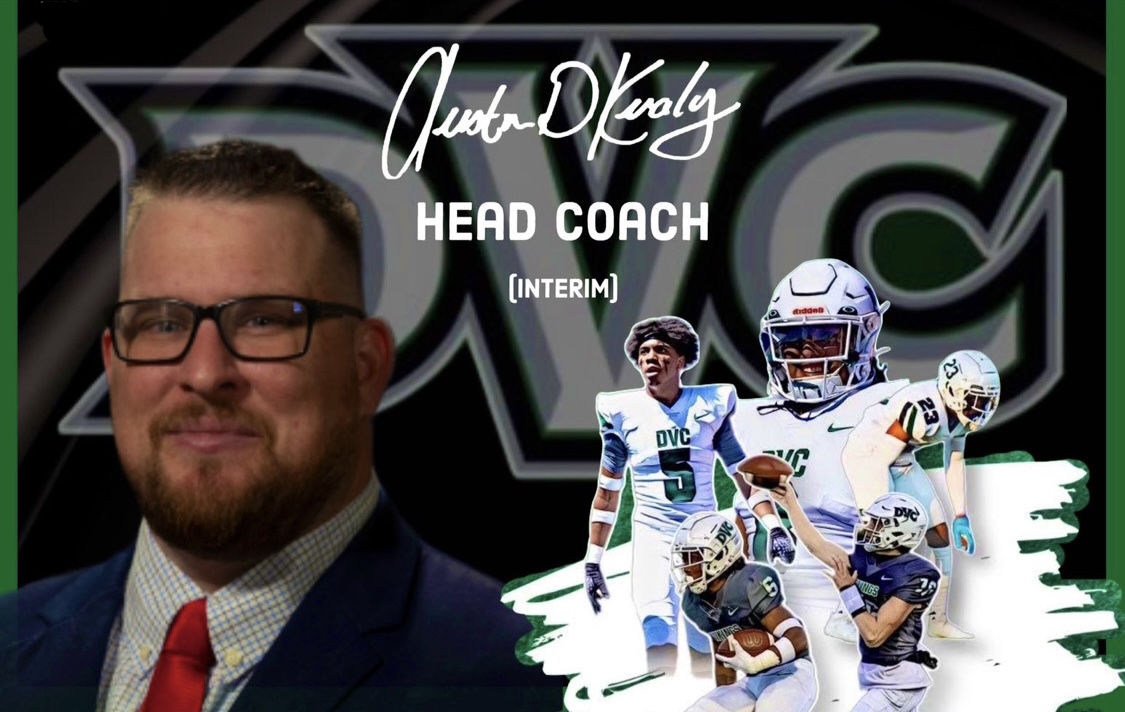
The debate is already showing up in the courts. For example, former Diablo Valley College star quarterback Joey Aguilar, who attended University of Tennessee last season, briefly received a temporary restraining order in February after arguing that his junior college seasons at DVC should not count against his NCAA eligibility.
A judge later denied his request for a longer preliminary injunction, leaving him ineligible for the 2026 season.
The uncertainty for college athletes is not only playing out in court, but is also being felt by those athletes who are trying to understand what the current rules mean for their own futures.
Lucas Jung, a football player at DVC, said the constant changes around college eligibility and transfers can be hard for players to follow, especially when athletes are always preparing for their next season.
“It’s confusing,” Jung said. “You hear one thing, then something else changes.”
That uncertainty is leaving schools, athletes and coaches in a holding pattern, as questions around eligibility, compensation and transfers continue to evolve without a clear set of rules.
For now, while Trump’s executive order doesn’t change the rules right away, it shows a clear sign that the federal government is stepping in. Any substantial, long-term changes, however, would likely need approval from Congress, or could end up in court.